
3 Camera Classes To Consider This Fall

Still of films created at Austin School of Film through adult courses.
Industry knowledge, techniques, and hands-on learning on cameras and film production is back in person this fall.
Just a decade ago, the film industry was revolutionized by the rapid creation of accessible & affordable cameras to produce high quality video content and cinema. From Blackmagic Cinema Cameras with raw shooting to impressive DSLR and mirrorless cameras that won’t break the bank.
If you’re interested in shooting high quality video, the world is your oyster. But don’t make uninformed choices and learn, try, and shoot before you invest.
Here are 3 classes to get you started with camera basics for filmmaking & videography and a productive way to lay the foundation for your creative future.
Intro to Super 8 Filmmaking
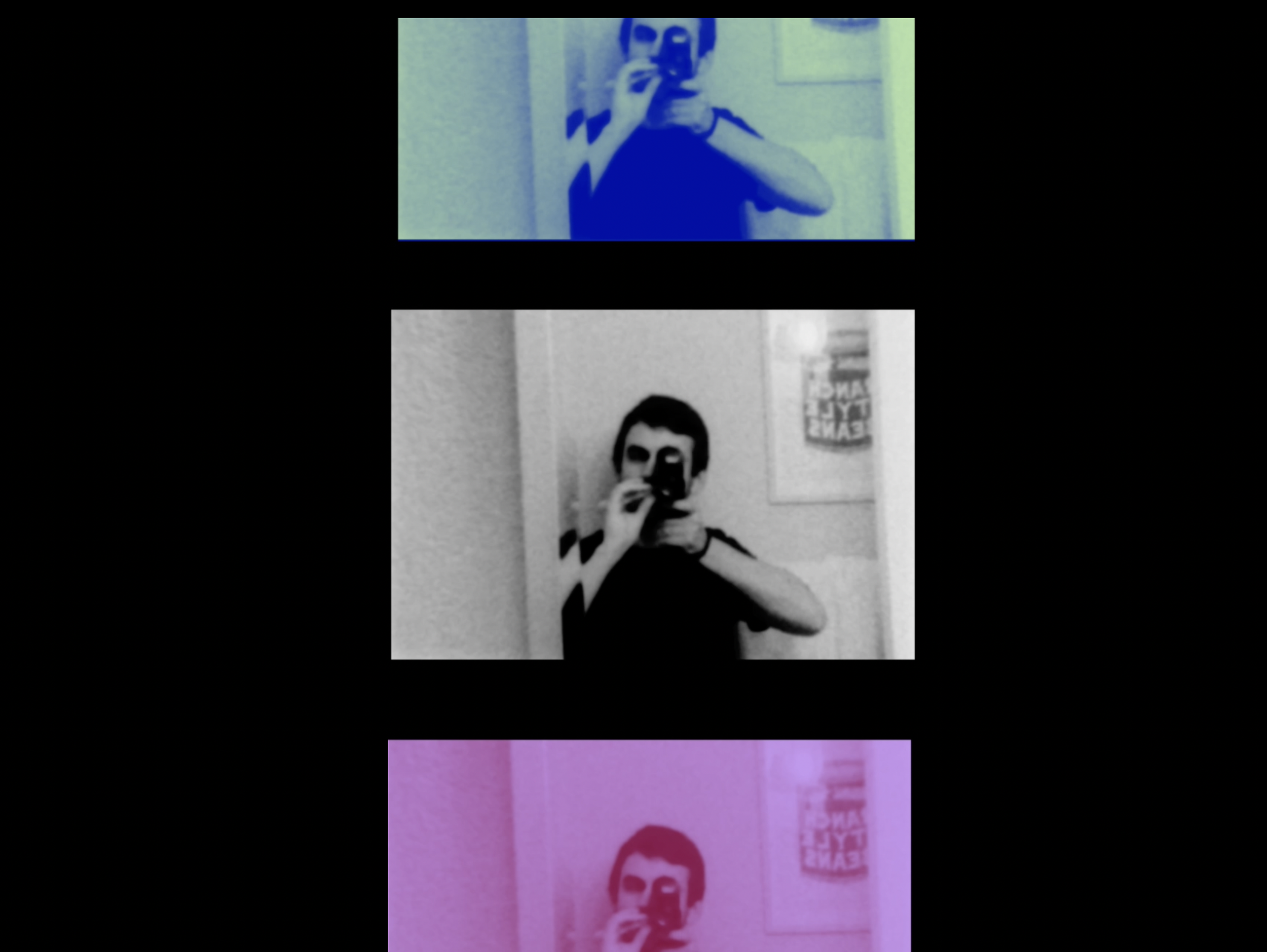

A weekend, hands-on analog film workshop exploring the creative process and timeless aesthetic of Super 8 filmmaking.
Super 8 has made a bold return in contemporary filmmaking, reclaiming its place as a go-to medium for artists and creators seeking texture, warmth, and emotional immediacy. From Beyoncé’s Renaissance tour visuals and Billie Eilish’s What Was I Made For? to indie films at Sundance and campaigns by Gucci and Jacquemus, Super 8 is no longer just nostalgic — it’s intentional.
Spend the weekend immersed in the tactile magic of film with this hands-on introduction to one of cinema’s most iconic analog formats. Designed for beginners, curious creatives, and digital natives alike, this workshop covers everything from loading and shooting film to understanding exposure, framing, and the quirks that make Super 8 so rewarding. Participants will also learn the basics of hand-processing, splicing, and digitizing their footage for use in modern editing workflows.
With class sizes limited to eight participants, each student receives personalized instruction and direct access to cameras, film stock, and processing materials. Whether you’re exploring film for the first time or reconnecting with its roots, this workshop offers a rare opportunity to experience the creative process in its purest, most hands-on form.
Topics covered:
Technical components of any Super 8 camera
What to look for if you’re wanting to rent or buy a Super 8
Different brands of Super 8 cameras
Different types of film stock
Getting ready to shoot: camera basics
Reading a light meter
Aspect Ratio + Camera Composition
Lighting basics: indoors & outdoor
Focus & Zoom
Shooting a roll of film in class
Developing your film stock
Splicing your reel
Digitizing your footage
Post-Production tricks
The class takes place in both indoor and outdoor settings, giving students a well-rounded experience in shooting on film. By the end of the workshop, each participant will walk away with a completed Super 8 reel and a digitized version of their footage.
MORE INFORMATION
Location: This course will be held at our Canopy location in our Black Box Studio. However, students will also learn about manipulating natural light (outdoors) on the campus. To learn more about our locations, visit this link.
Who Should Attend: Ideal for anyone interested in exploring Super 8 film as a storytelling medium. No prior analog experience required — just curiosity and a love for tactile, hands-on processes. Students must be 16 years or older to enroll.
Supplies & Materials: All Super 8 cameras, film stock, and processing materials are included. Participants are welcome to bring their own Super 8 camera if they have one.
Certificate:This course is part of Austin School of Film’sFilm Forward Certificate Program.
Certification: This course, along with all Austin School of Film programs, is approved by the Texas Education Agency (TEA) to provide Continuing Professional Education (CPE) credits.
Damage + Responsibility Clause: Students will be handling real motion-picture film and vintage analog equipment. Respect for the tools, materials, and process is essential. While Austin School of Film is not responsible for damages due to misuse, instructors will provide thorough guidance and supervision to ensure a safe and rewarding creative experience.
HOW CAN I START A PAYMENT PLAN?
Payment plans are automatically available at checkout for eligible courses—no application or approval required.
Payment Plan Details:
25% deposit due at registration to secure your spot
The remaining balance is split into three additional payments of 25% each
Payments are automatically charged every two weeks until the course is paid in full
All payment plans are final
Simply select the payment plan option during checkout and follow the prompts to enroll. If you have any questions, please don't hesitate to reach out.
Although you may be thinking the analog moment has passed, we seriously think you need to reconsider how you approach shooting on film. Analog cameras and analog filmmaking isn’t a “trend” it’s an art and an aesthetic. Limiting the way you create to what’s trendy isn’t being true to yourself as a creator.
If you’re looking to dabble in the art of analog —this workshop is a great introduction to get you started and shooting!
Intro to DSLR Filmmaking
So, now you understand how the cameras work but how do you use one of the most versatile cameras to create quality video work? In this workshop, students will learn how to use a DSLR in full manual mode to gain more creative freedom in filmmaking. We'll dive deep into the essentials of visual storytelling with composition, motion and lighting. The concept of this course is to teach students the same techniques that a professional filmmaker uses when filming with DSLRs.
From framing shots to producing simple projects and gaining skills hands-on, students will leave this course ready and inspired to create high-quality, engaging film projects.
Intro to Cinema Cameras
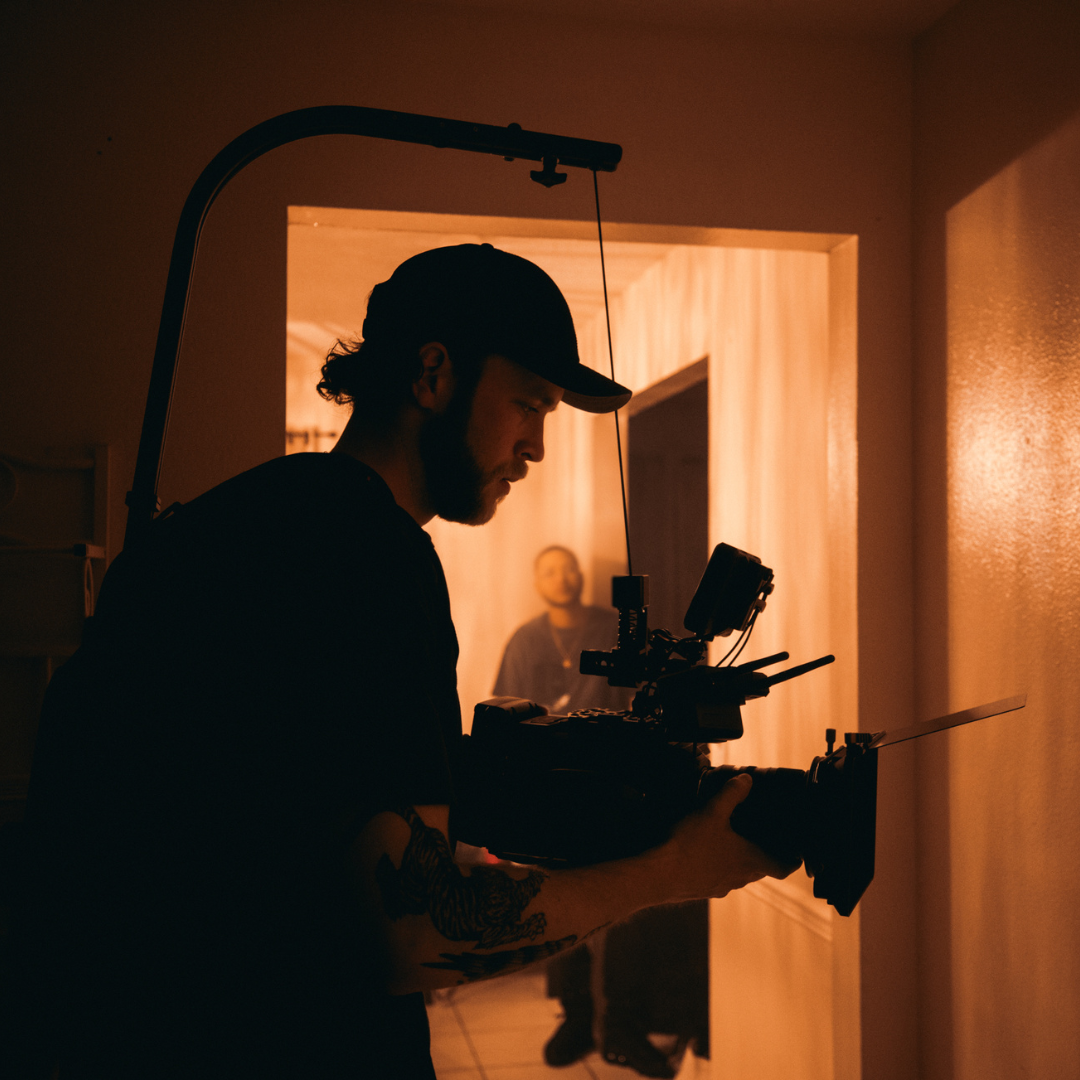

Designed for filmmakers with prior experience or those who’ve completed Intro to Camera, this intermediate course dives into the world of industry-standard cinema systems from Blackmagic, Sony, and RED.
Through hands-on practice, participants will refine their technical skills, explore creative approaches to cinematography, and gain the confidence to shoot professional-quality work.
Participants will explore both the technical and creative aspects of using cinema cameras, gaining a comprehensive understanding of their capabilities. This workshop covers everything from camera settings to artistic techniques, empowering you to enhance your production quality and achieve professional-grade results.
Topics Covered:
Camera Workflow: Strategies for preparing and operating cinema cameras.
Cinematic Imaging: Delve into the technology and artistry behind high-quality cinematic visuals.
Market Insights: Understand the key differences and benefits of various camera brands.
Raw Capture Techniques: Learn to shoot in RAW for greater post-production flexibility.
Lens Selection: Techniques for choosing the right lenses to create desired visual effects.
Technical Essentials: Learn about firmware setup, recording codecs, lens mounts, and the right accessories for your project.
Practical Shooting Exercises: Engage in hands-on shooting in varied settings, including indoor and outdoor scenes, using professional equipment. Exercises will focus on applying new camera skills and refining lighting setups.
Post-Production Skills: Test dynamic range and edit footage using DaVinci Resolve.
Interactive Practice: This workshop includes intensive hands-on exercises in video production. Participants will recreate scenes in diverse settings, from structured interviews to dynamic location filming. Each session offers opportunities to apply new techniques, receive professional feedback, and refine your skills in camera operation and scene lighting.
By the end of the workshop, participants will have a solid grasp of using advanced cinema cameras and the confidence to apply these skills in their filmmaking projects, pushing creative boundaries and enhancing production value.
MORE INFORMATION
Location: This course will be held at our Canopy location in our Black Box Studio. However, students will also learn about manipulating natural light (outdoors) on the campus. To learn more about our locations, visit this link.
Who Should Attend: This intermediate workshop is designed for filmmakers ready to move beyond DSLR or mirrorless cameras and into the world of professional cinema systems. Ideal for those who have completed Intro to Camera: Foundations of Filmmaking & Cinematography or possess equivalent experience and comfort with camera terminology and basic shooting techniques. Students must be 16 years or older to enroll.
What’s Included: All camera equipment and accessories are provided for the duration of the class, including access to professional cinema cameras from Blackmagic, Sony, and RED. Participants are welcome to bring their own cinema camera if they’d like to gain experience using personal gear in a professional environment.
Certificate:This course is part of Austin School of Film’s Film Forward Certificate Program
Certification: This course, along with all Austin School of Film programs, is approved by the Texas Education Agency (TEA) to provide Continuing Professional Education (CPE) credits.
Damage + Responsibility Clause: Students will be working hands-on with professional-grade cinema equipment. Respect for the tools, studio space, and collaborative process is essential. While Austin School of Film is not responsible for damages to personal property due to misuse, instructors will provide thorough guidance and supervision to ensure safe and proper camera operation throughout the workshop.
Ready to go raw? If you want the most flexibility to adjust your images during post production, then you may want to consider cinema cameras with raw recording capabilities.
We’ll will dive deep into the key components that help filmmakers and media makers produce cinematic images on professional digital cinema cameras. Students will learn the fundamentals of prepping and operating cinema cameras (Blackmagic Ursa Mini Pro & RED cameras) over a weekend course, Shoot practice scenarios and configurations indoors and outside, work with additional gear in class such as lights, tripods, and video monitoring equipment, and even test dynamic range of cinema cameras in under and overexposure scenarios using DaVinci Resolve